


 I like the article
The Daisy bears even very harsh temperatures, therefore it can be grown outdoors without feeling endangered by low temperatures. Let’s remember that a large part of the leaves of the medicinal plants can be used for alimentary use, therefore let’s use insecticides and anticryptogamics for agricultural use, far from harvest season.Plant which need at least a few hours a day of solar light.
Cultivation Daisy
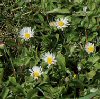
The Daisy develops like a perennial herb. Daisy isn't an evergreen; during the spring, summer, autumn, winter it assumes a red colouring; the adult species are medium in size and reach 15 cm in height. The development of the The Daisy is
Fertilize Daisy
In the spring we suggest fertilizing our plants with fertilizers rich in nitrogen, to favour the development of the radical apparatus of the young leaves. We can use liquid fertilizers, to be added every 15-20 days, or slow release fertilizers, to be added to the cultivation soil every 3-4 months.
Water Daisy
We suggest watering these plants with 2-3 glasses of water only when the soil is perfectly dry, generally it needs to be watered about every 2-3 weeks . Let's avoid to exceed. Before harvesting and using them, let’s be informed on the balsamic period, rather the period in which the active principles are present in a greater quantity in the plant we have chosen.
Pests Daisy
The spring weather, with a high temperature swing between the day and night hours, and pretty frequent rains, can favour the development of fungus diseases, which should be treated pre-emptively with a systemic fungicide, to use before the gems grow excessively; at the end of the winter we also suggest a wide range insecticide to prevent the attack of aphids and cochineals. We should always remember to do these treatments when there aren't flowerings in the garden.
Mold Daisy
We recommend growing these medicinal plants in a soft and light, very well drained soil.
|
Like
Plant - Daisy
There aren't any notes. The indications given in this article are related to a medium size plant.
| |
This page concerns the weather mediterranean it is possible to choose another climate area alpine continental