


 I like the article
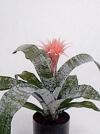
 This plant in the spring, summer, autumn, winter assumes a greenred colouring; it is medium in size and can reach 80 cm high. It keeps its leaves in the winter. Growing they develop a round-shape shrub. The Livingvase develops like a perennial herb. Fertilize Livingvase
In the spring let’s use a fertilizer every 15-20 days, melting it in the water which we use to irrigate; we can choose a fertilizer for flowering plants or green plants, rich with nitrogen and potassium to favour a balanced development of the new vegetation. Otherwise we can, if we want to, use a slow release fertilizer, to add to the soil, every 3-4 months. Light Livingvase

The Livingvase is a pretty delicate plant, which fears minimum temperatures below 15°C; during late spring it can be cultivated outdoors. It prefers partially shady locations, where it can be reached by the solar rays only during the coolest hours of the day.Let's avoid exposing apartment plants to direct sunlight, which could damage the leaves, especially during the hottest months of the year. We should prefer a bright position, but with filtered light. Water Livingvase

We suggest watering these plants with 2-3 glasses of water only when the soil is perfectly dry, generally it needs to be watered about every 1-2 weeks . Let's avoid to exceed. To avoid that a scarce drainage could favour the development of fungal diseases, let's remember to avoid leaving water in the saucer. Pests Livingvase
The spring weather, with a high temperature swing between the day and night hours, and pretty frequent rains, can favour the development of fungus diseases, which should be treated pre-emptively with a systemic fungicide, to use before the gems grow excessively; at the end of the winter we also suggest a wide range insecticide to prevent the attack of aphids and cochineals. We should always remember to do these treatments when there aren't flowerings in the garden. Mold Livingvase
These apartment plants favour very well drained soils.
|
Plant - Livingvase
There aren't any notes. The indications given in this article are related to a medium size plant.
| |