


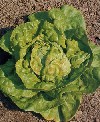
 I like the article
 The Corn is medium in size and 90 cm in height; in the spring, summer, autumn, winter it assumes a pinkwhite colouring. These plants aren't evergreens, which means they lose their leaves some months during the year. These plants have an erect, columnar development. The Corn have a one or two year development cycle. Fertilize Corn
Annual plants have a quite vigorous development and need, during the spring, a continuous fertilization; when placing them let’s add some humus or mature manure or some slow release granular fertilizer to the ground. During the spring months we suggest mixing some fertilizer for flowering plants to the irrigating water every 20-30 days. Light Corn

These plants don't like excessively harsh temperatures, with night-time minimum temperatures below 0°C. during the spring in general they are grown in a covered place, moving them outdoors, or uncovering them, when there isn't any danger of sudden temperature drops. We suggest to position the The Corn in a sunny spot at least a few hours a day.These plants have an annual development, therefore when it becomes cold they deteriorate, and get completely eradicated. Water Corn

Water sporadically, with 2-3 glasses of water , leaving the soil dry for a few days before watering again; when watering we suggest avoiding excesses, but to wet the substratum well. Let's act every 1-2 weeks . As the cold weather arrives, in autumn, usually waterings is interrupted because these plants can't bear harsh temperatures. Pests Corn
Mold Corn
We advise locating these annual plants in a dissolved soil, with an elevated drainage.
|
Plant Corn
The Corn produces fruits. The indications given in this article are related to a medium size plant.
| |